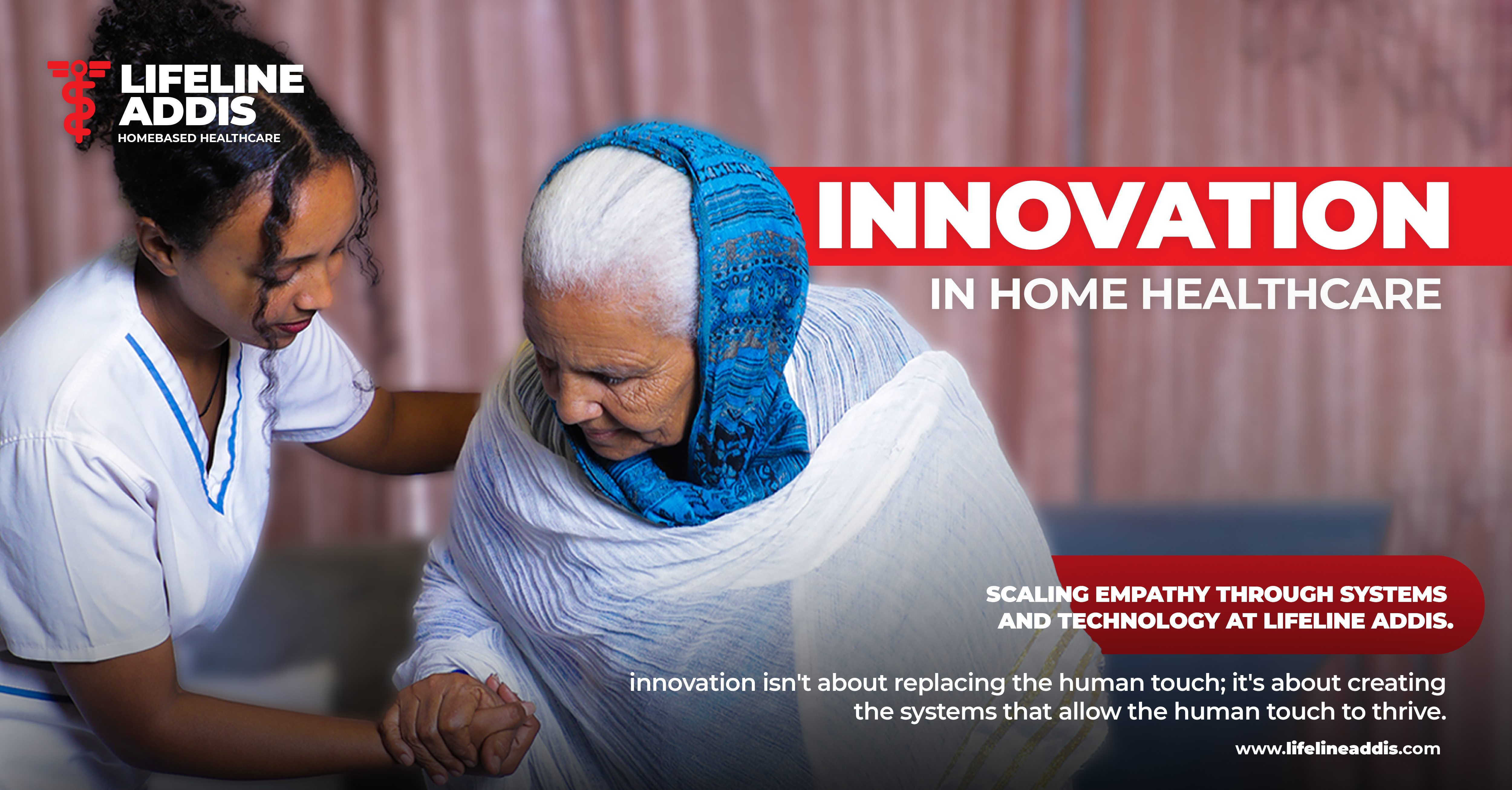
 Innovation in Home Healthcare: Best practices for scaling empathy through systems and technology at Lifeline Addis
“Innovation isn't about replacing the human touch; it’s about creating the systems that allow the human touch to thrive.”Picture this: It’s a busy Tuesday afternoon, and the traffic around Bole is at a standstill. In her home, a 72-year-old grandmother recovering from surgery is waiting anxiously for her wound dressing to be changed. In the past, this meant an exhausting, painful trip to the hospital and hours spent waiting in a crowded hallway. Today, however, her doorbell rings exactly at 2:00 PM. Our Lifeline Addis nurse steps in, calm, unhurried, and fully briefed on her medical history. The nurse doesn't spend the first fifteen minutes shuffling through paperwork; instead, she immediately sits down, holds the patient’s hand, and asks, "How are you feeling today?"
That moment of relief—that human connection—is what healthcare is all about.
In my last article, I explored how trust is the ultimate currency in healthcare. I shared how my journey from the consultation room to earning a BA in Management taught me that clinical excellence must be backed by operational strength. But as we grow and try to reach more patients across Addis Ababa, a critical question emerges: How do we scale this highly personalized, trust-based care without losing our humanity?
When we hear the word "innovation," we often picture artificial intelligence, surgical robots, or multi-million-dollar software. But in the context of home-based care in Ethiopia, innovation is much more grounded. At Lifeline Addis Home Based Health Care, innovation is about solving real operational bottlenecks so that our clinicians can focus on what they do best: caring for people.
Here is how we are bridging the gap between medicine, management, and technology to scale care without losing the human element.
1. Technology as an Enabler, Not a Replacement There is a persistent fear that integrating technology into healthcare will make it cold and transactional. In reality, the opposite is true when it is applied correctly.
Consider the administrative burden on nurses and doctors. By adopting streamlined Electronic Medical Records (EMRs) and digital reporting tools, we reduce the hours our clinicians spend filling out paperwork. What happens to those saved hours? They are redirected back to the patient. Technology handles the data so the clinician can hold the patient's hand, listen to their concerns, and look them in the eye. Telehealth and remote monitoring don't replace our home visits; they provide a continuous safety net between those visits, ensuring patients never feel abandoned.
2. Process Innovation: Navigating a Dynamic City Delivering healthcare inside a clinic is highly controlled. Delivering it across a bustling, dynamic city like Addis Ababa is a logistical puzzle.
Innovation isn't just software; it is process design. How do we ensure a specialized wound-care nurse reaches a patient in a heavily congested neighborhood exactly when needed? By applying management principles—like optimized routing, real-time communication systems, and decentralized dispatching—we can turn a logistical nightmare into a seamless patient experience. When a care team arrives on time, calm, and prepared, it reinforces the trust we worked so hard to build.
3. Data-Driven Empathy In a traditional model, healthcare is reactive: a patient gets sick, and the system responds. Innovative home-based care allows us to be proactive. By tracking patient data over time—blood pressure trends, medication adherence, or even mobility changes in the home—we can predict and prevent emergencies before they happen.
This isn't just good medicine; it's operational excellence. Preventing a hospital readmission through proactive, data-driven home care saves the patient from physical and financial distress while alleviating strain on the broader health system. It proves to the patient that we are not just treating a disease; we are actively guarding their well-being.
The Balancing Act As a medical doctor and a manager, I see innovation as the bridge between clinical necessity and operational reality. We need the stethoscope to listen to the heart, but we need the systems to ensure the doctor arrives at the door in the first place.
At Lifeline Addis, our goal is not to be the most "tech-heavy" provider, but the most deeply connected one. We use innovation to strip away the inefficiencies that keep us from our patients.True healthcare innovation scales empathy. It ensures that whether we are treating ten patients or ten thousand, every single one feels like they are our only priority.
Dr Robel B (MD,BA)
Related Blogs
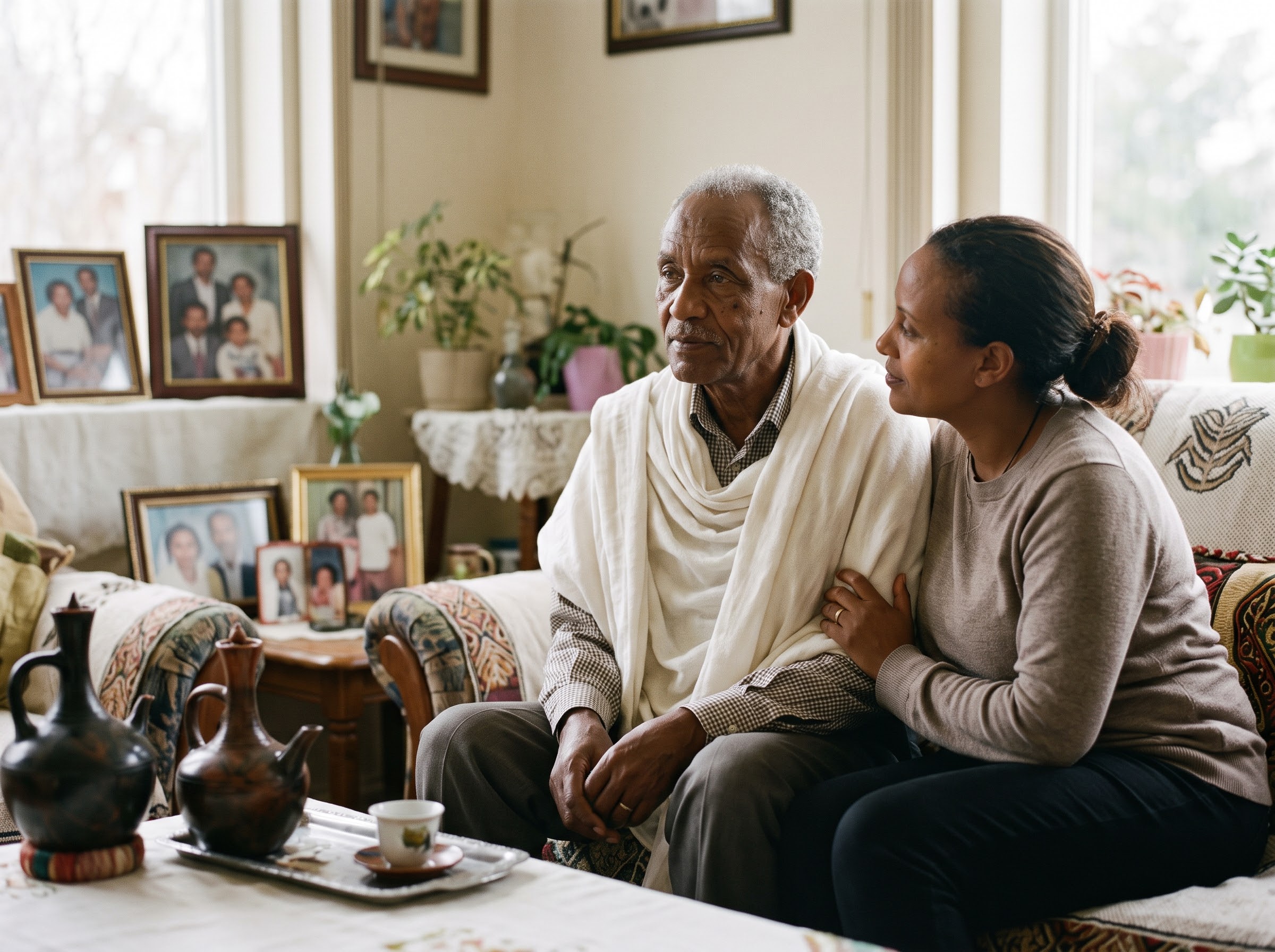
“Behind the Forgetfulness is Still a Father”: The Heart of Dementia Care
“My father suddenly stares at me and doesn't respond when I talk to him.”These are the words of Seble, one of our many clients caring for a loved...
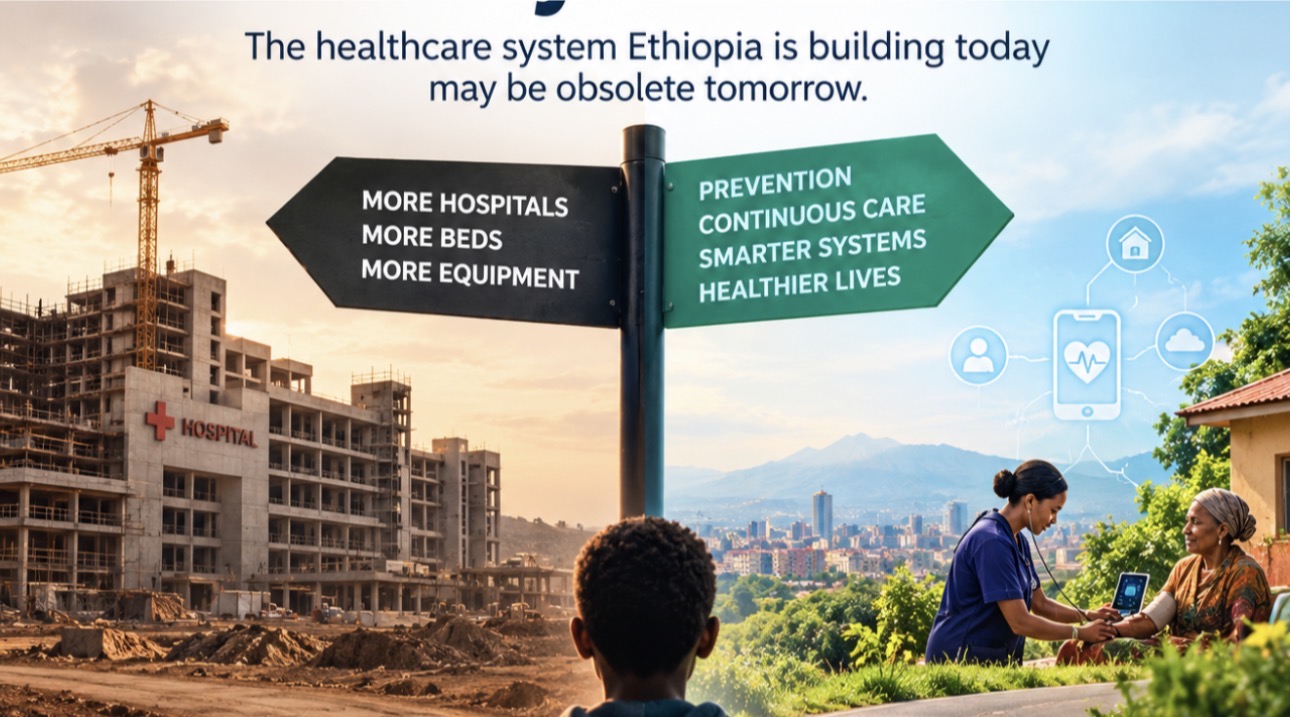
Ethiopia Is Investing in Yesterday's Healthcare
The healthcare system Ethiopia is building today may be obsolete tomorrow.Having a strong healthcare system is an important indicator of a country...
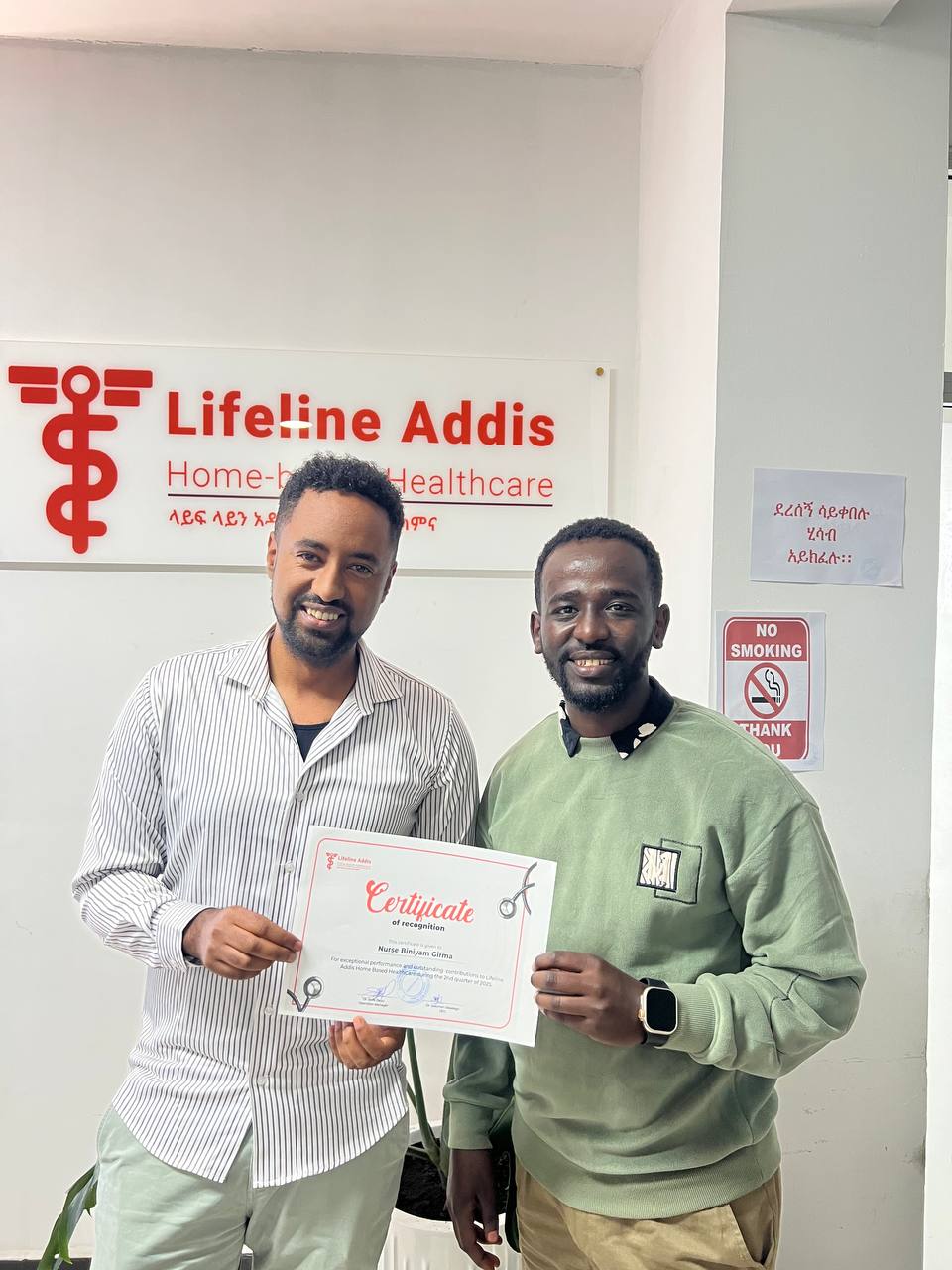
Inside Lifeline Addis: A Conversation with Biniyam
Inside Lifeline Addis: A Conversation with BiniyamToday, we are sitting down with Biniyam Girma (health officer) to hear about his journey at Lifeline...