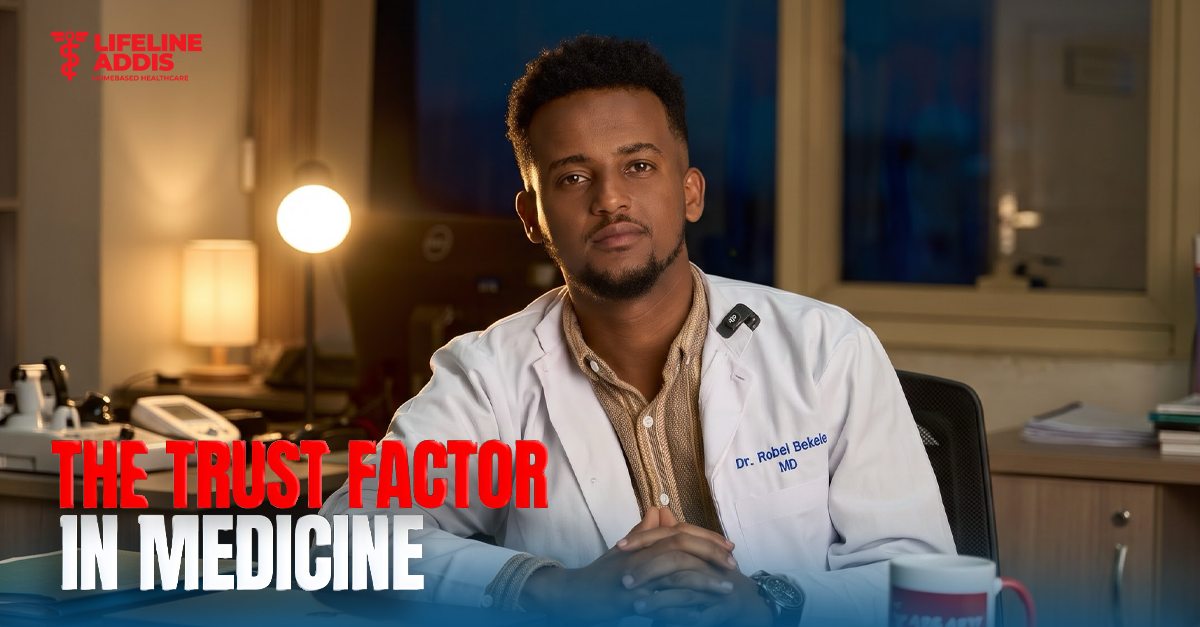
 Healthcare Is More Than Medicine: The Power of Trust and Leadership
The best diagnosis in the world fails if the patient doesn't trust the person giving it.
As a medical doctor based in Addis Ababa, I used to believe my greatest impact would happen entirely inside the consultation room. But early in my career, I noticed a recurring frustration: I could make the right diagnosis and prescribe the perfect treatment, but if the patient faced operational bottlenecks, poor communication, or a disjointed care system, that "perfect" treatment often failed.
I realized that clinical excellence alone wasn't enough. I needed to understand how to build and manage the systems that deliver that care. This was the turning point that pushed me to pursue a BA in Management. I wanted to connect the clinical realities of the exam room with the operational decisions made in the boardroom.
At its heart, healthcare is about people. It is about dignity, compassion, and the responsibility to make a meaningful difference. But to deliver on that promise, we need strong leadership, clear communication, and, above all else, trust.
Beyond the Clinical Encounter
A good healthcare professional needs technical skills, but even the best medical expertise falls short when patients lack confidence in their care team.
The numbers back this up: according to research by the World Health Organization (WHO) and the National Academy of Medicine on the Social Determinants of Health (SDOH), up to 80% of health outcomes are determined by non-clinical factors—including health literacy, socioeconomic context, and systemic coordination.
The quality of healthcare is influenced heavily by how organizations communicate and respond to people’s needs. This is why the intersection between medicine, management, and operational strategy has become the primary focus of my professional growth at Lifeline Addis Home Based Health Care.
3 Reasons Why Trust is Our Greatest Asset
Patients are not simply choosing a service; they are placing their health and dignity in our hands. Here is why trust is both a moral and operational imperative:
1. It Drives Better Health Outcomes: When patients trust their providers, they are more likely to adhere to treatment plans and communicate their symptoms honestly.
2. It Ensures Financial Sustainability: Trust makes good business sense. Research by Deloitte found that hospitals with high patient-reported experience scores have net margins that are 50% higher than those with average scores.
3. It Validates the Brand: Marketing can communicate an organization’s values, but only the actual patient experience can validate them. In settings like home-based care, every single interaction matters.
3 Ways We Can Build Trust Into Our Systems
How do we actually operationalize trust? Based on my experience bridging the gap between medicine and management, here are three places we must start:
1. Invest in Nursing Leadership: Nurses spend more time with patients than any other professional. Gallup polls have consistently ranked nursing as the most trusted profession for over two decades. Investing in their communication, empathy, and professional development is a direct investment in the organization's reputation.
2. Prioritize Transparent Communication: A nurse explaining a treatment clearly or a physician respecting a family’s specific concerns makes a lasting difference. We must train our teams to communicate not just accurately, but empathetically.
3. Connect Clinicians to Operations: A landmark study in Social Science & Medicine revealed that hospitals led by physicians consistently outperform those led by non-clinicians in overall quality scores by nearly 25%. We need leaders who understand both the patient’s needs and the financial systems required to meet those needs sustainably.
Looking Ahead
Ultimately, the success of healthcare should not be measured only by the services we provide or the organizations we build, but by the trust we earn and the difference we make in people’s lives.
Next time, I’ll be diving into how we can use Innovation to scale this level of care without losing the human touch. Keep an eye out for that blog!
Dr Robel Bekele (MD,BA)
References
* National Academy of Medicine. Social Determinants of Health 101 for Health Care: Five Plus Five. Washington, DC: The National Academies Press; 2017.
* Deloitte Center for Health Solutions. The value of patient experience: Hospitals with better patient-reported experience perform better financially. Deloitte Development LLC; 2016.
* Goodall AH. Physician-leaders and hospital performance: Is there an association? Social Science & Medicine. 2011;73(4):535-9.
Related Blogs
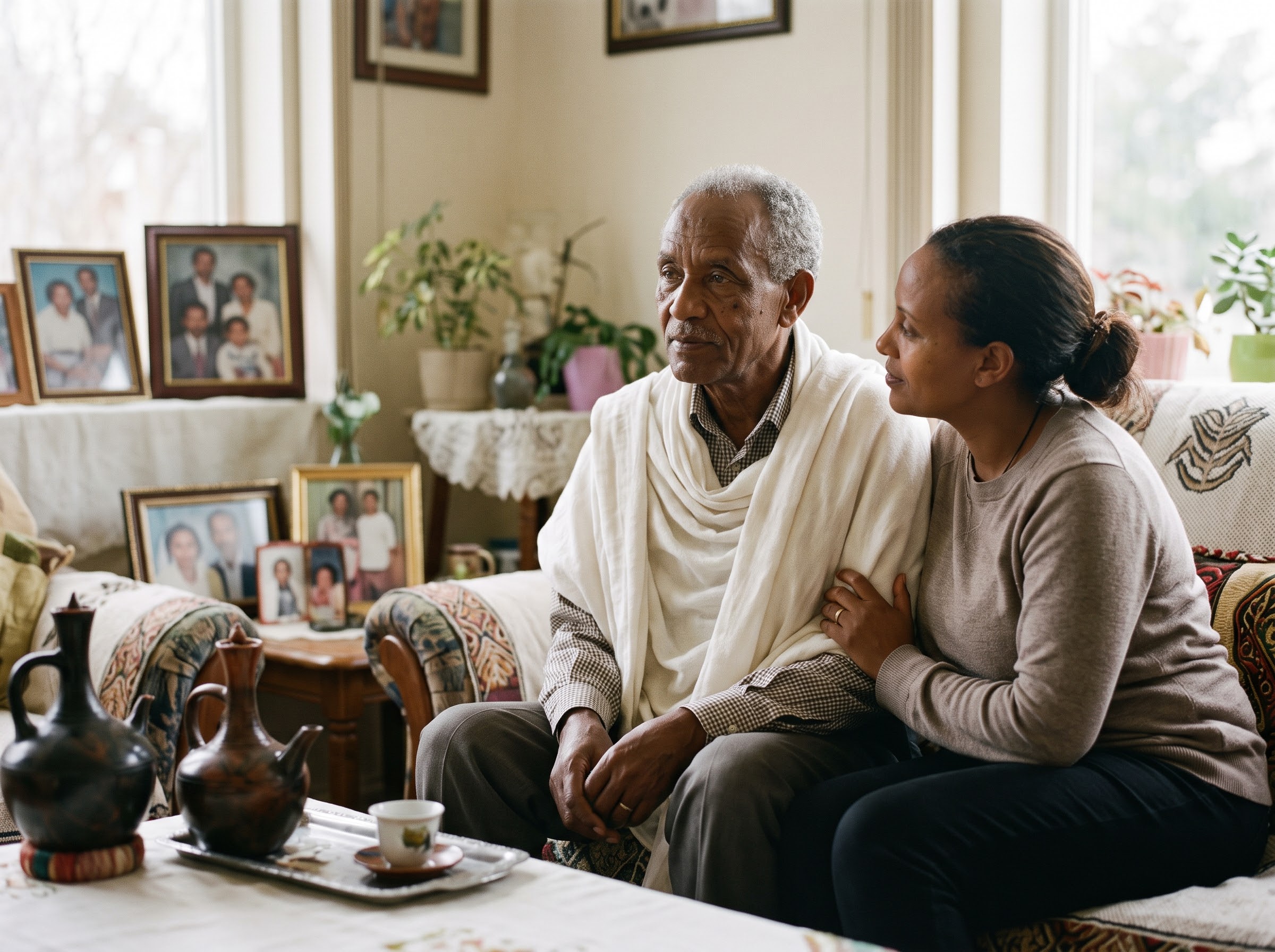
“Behind the Forgetfulness is Still a Father”: The Heart of Dementia Care
“My father suddenly stares at me and doesn't respond when I talk to him.”These are the words of Seble, one of our many clients caring for a loved...
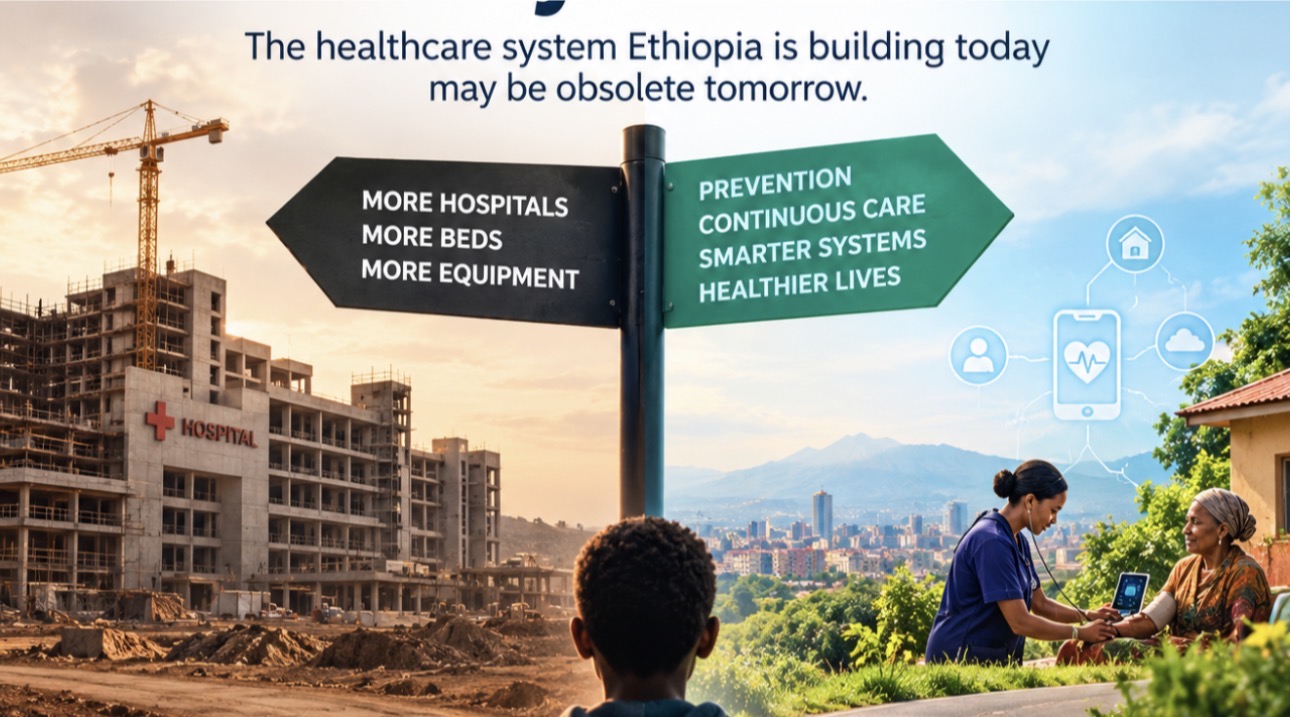
Ethiopia Is Investing in Yesterday's Healthcare
The healthcare system Ethiopia is building today may be obsolete tomorrow.Having a strong healthcare system is an important indicator of a country...
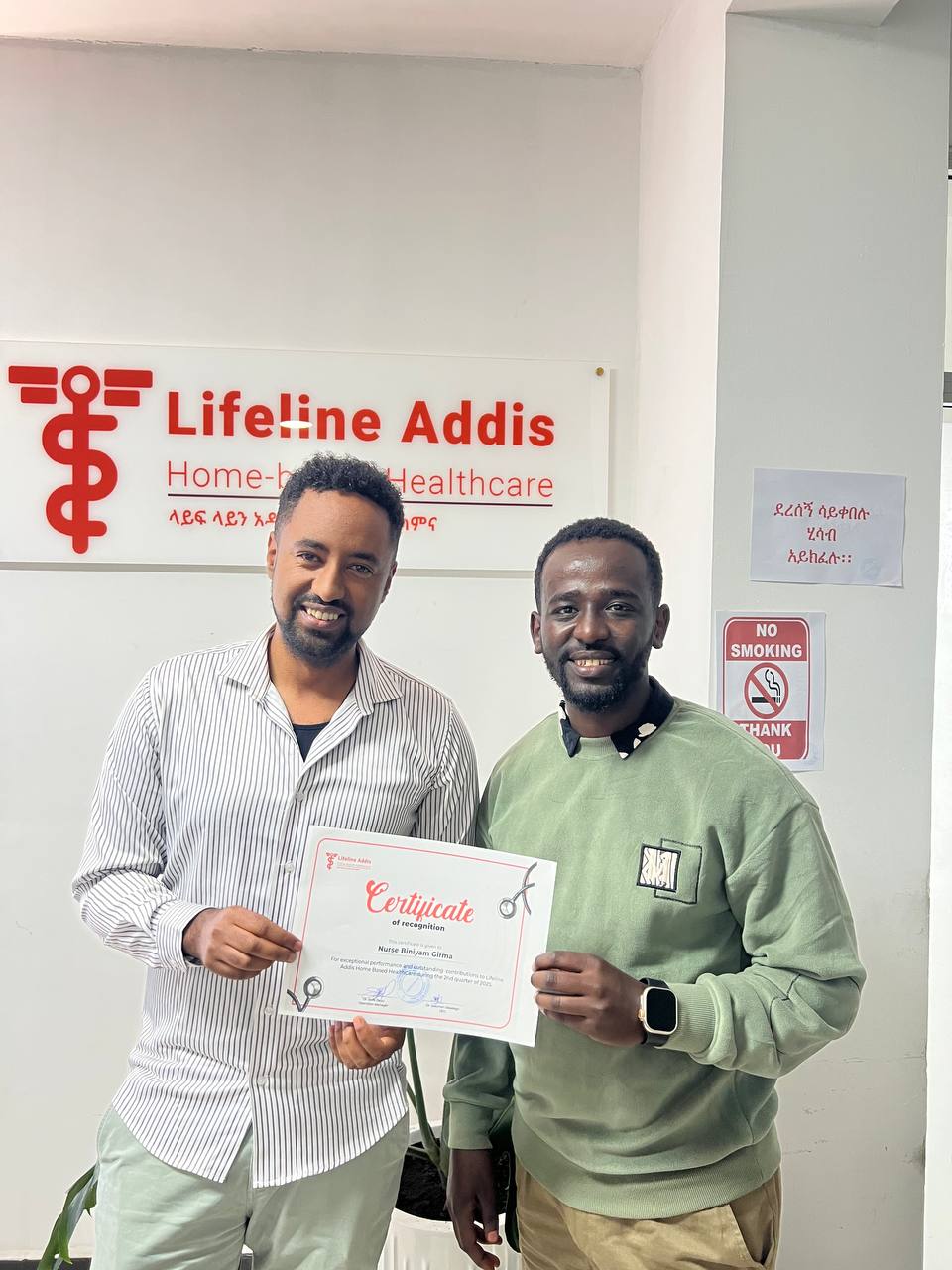
Inside Lifeline Addis: A Conversation with Biniyam
Inside Lifeline Addis: A Conversation with BiniyamToday, we are sitting down with Biniyam Girma (health officer) to hear about his journey at Lifeline...